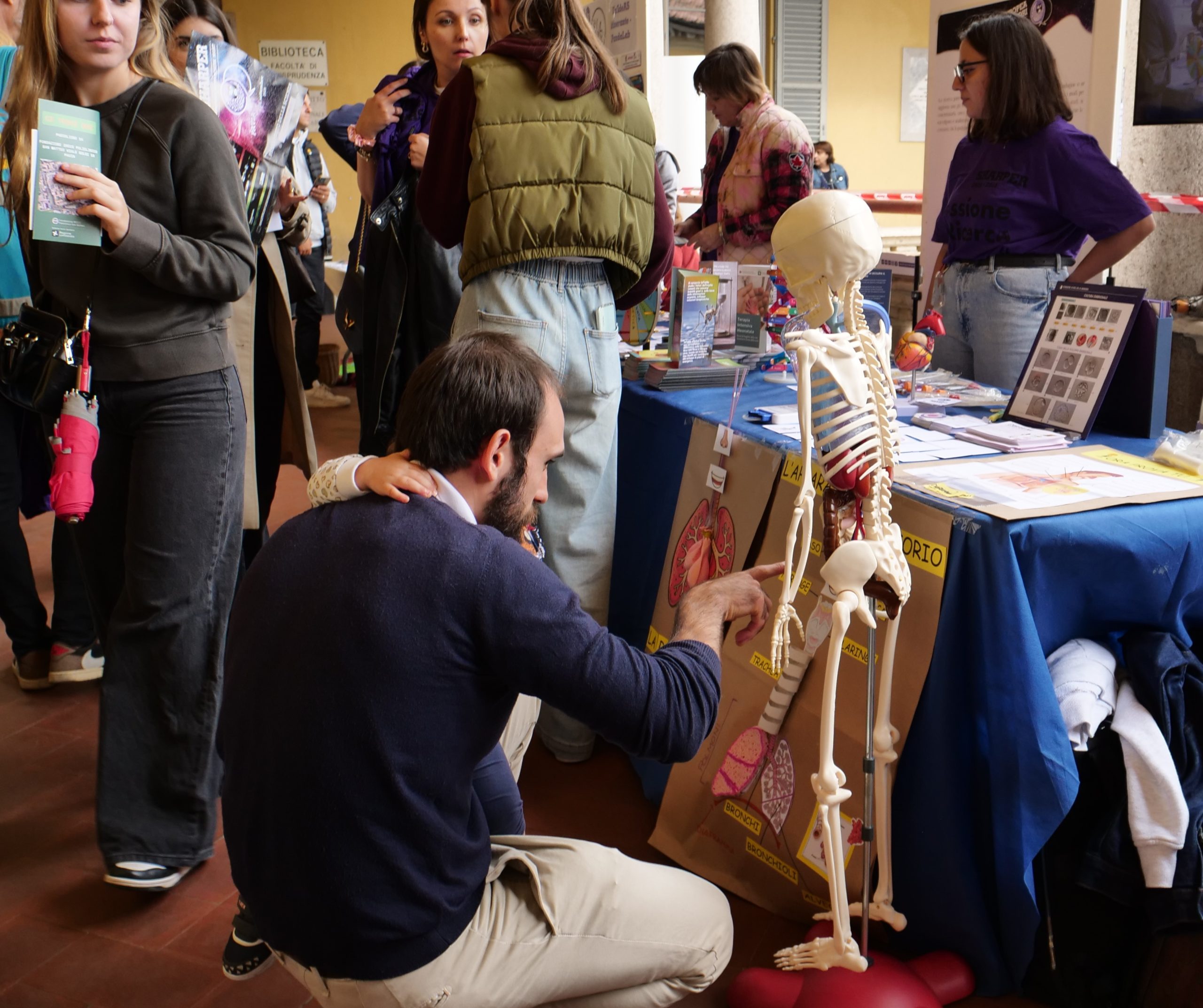
MUW team represented InFlaMe at the IRC Retreat
The MUW team represented InFlaMe at the Retreat of the Immunology Research Cluster (IRC) of the Medical University of Vienna, June 26, 2026. Dominik Moll presented a poster focused on ‘Establishment of a reporter virus system for dengue virus serotype 2’ and received poster award.
Information about the event: https://irc.meduniwien.ac.at/about-us/news/news/save-the-date/

IZSLER represented InFlaMe at the EOHA meeting 2026
Ana Moreno (IZSLER) represented the InFlaMe consortium at the European One Health Association EOHA meeting, Madrid (Spain), May 18-20, 2026 with the poster entitled: COUNTER-ACTING THE PANDEMIC POTENTIAL OF FLAVIVIRUSES : ADDRESSING VIRUS- HOST INTERACTIONS AND DEFENCE STRATEGIES TO DESIGN NEW THERAPEUTICS AGAINST WNV AND DENV (ACRONYM: InFlaMe, Grant Agreement No. 101191725), where all consortium representatives were included as co-authors.
Information about the event: EOHA Annual Scientific Meeting 2026
MUW at the ÖGHMP Annual Meeting
InFlaMe was represented by MUW at the Annual Meeting of the Austrian Society for Hygiene, Microbiology and Preventive Medicine (ÖGHMP) (18–20 May 2026, Vienna, Austria). Judith Aberle gave a keynote lecture entitled Neuroinvasive Flaviviruses in Europe – Tick-Borne Encephalitis and West Nile Viruses in the Focus. Representing the Karin Stiasny research team, Iris Medits-Weiss gave the talk “Recombinant NS1 Protein as a Specific Marker for the Serological Differentiation of West Nile and Usutu Virus Infections”.
LINK to conference: https://www.oeghmp.at/de/wissenswertes/news/39-jahrestagung-der-oeghmp-2026/

MUW attended the EURL
Judith Aberle and David Florian, members of the research team led by Judith Aberle from MUW attended the European Union Reference Laboratory (EURL) for Public Health on Vector-Borne Viral Pathogens meeting* (7–8 May 2026, Padua, Italy) and discussed Human West Nile and Usutu virus infections in Austria: Analysis of data from 2009 to 2024
LINK to the European Union Reference Laboratory for Public Health on Vector-borne Viral Pathogens (EURL-PH-VBV): https://www.rivm.nl/en/eu-reference-laboratory-vector-borne-viral-pathogens

MUW and IRCCS OSM participated in the ESCMID Global 2026
The MUW team, Judith Aberle, Karin Stiasny and David Florian, a member of the research team led by Judith Aberle participated in the ESCMID Global 2026 (17–21 April 2026, Munich, Germany). David Florian presented a poster focused on increased incidence of human West Nile and Usutu infections in Austria, 2024.
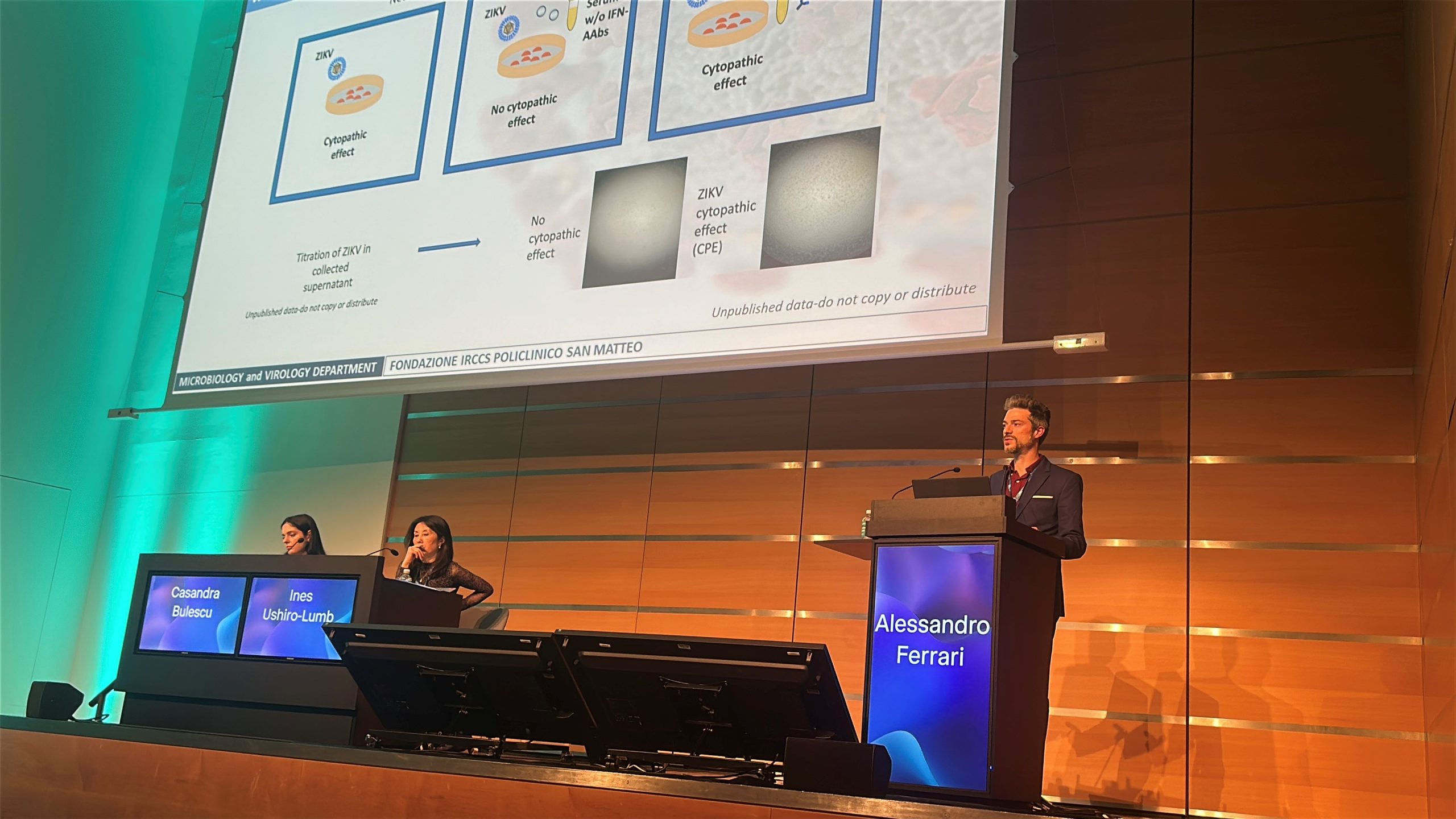
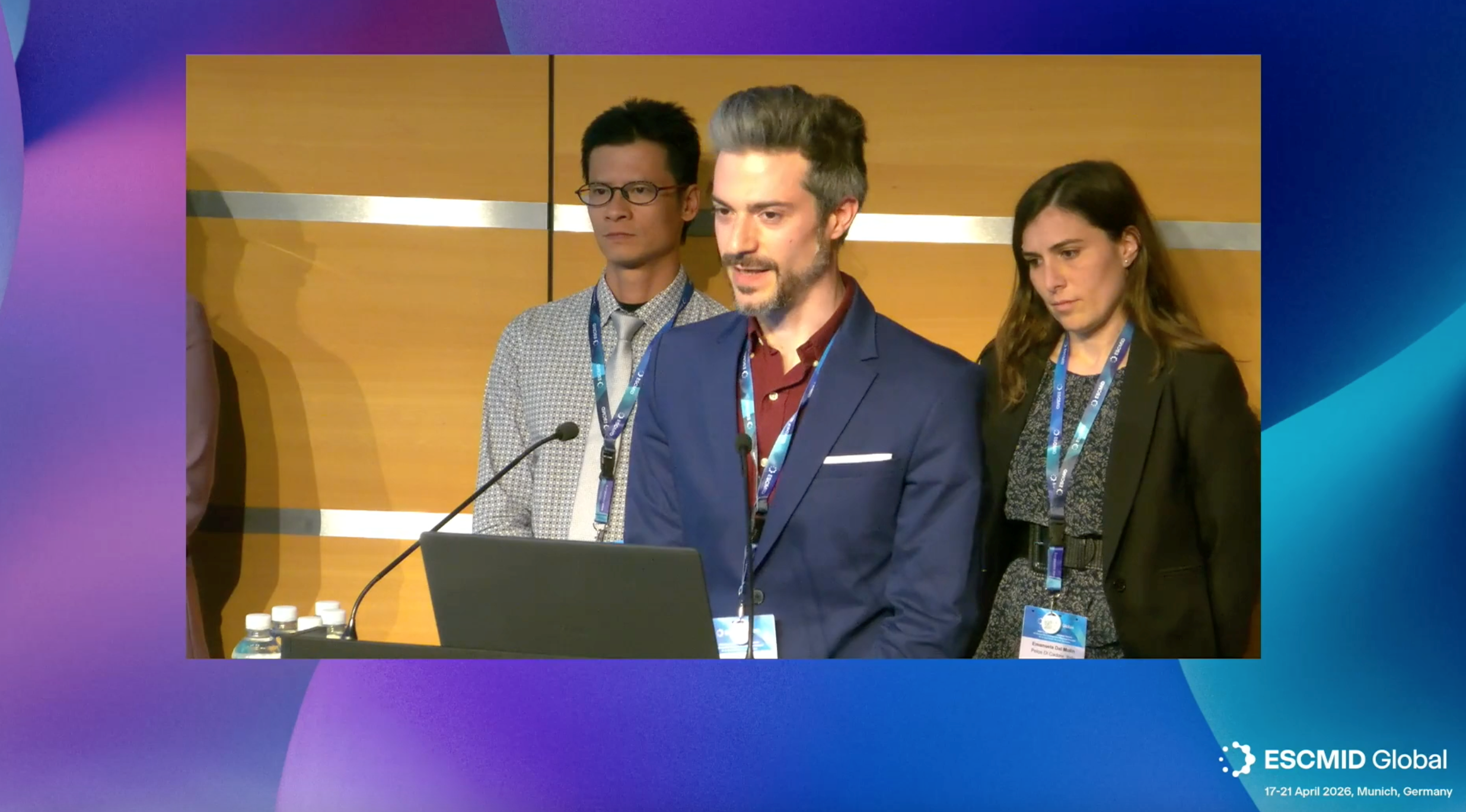
At the same conference, Alessandro Ferrari from IRCCS OSM presented his work entitled ‘A novel ARPE-19 cell-based assay for assessing interferon-mediated protection and autoantibody neutralisation in ZIKV infection’
LINK to the conference website: https://2024.eccmid.org/congress-information/escmid-global-2026
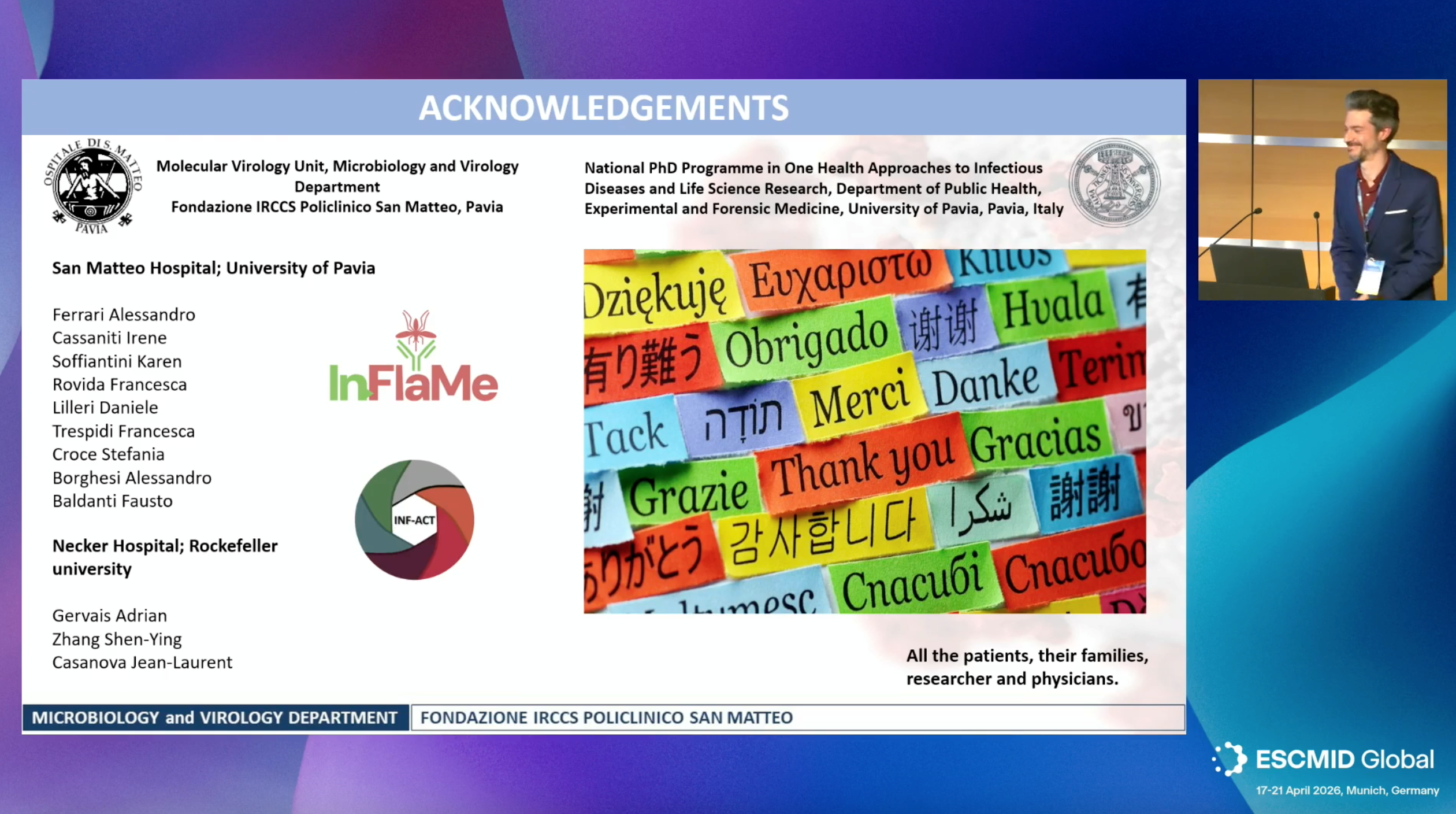
MUW participated at the 35th Annual Meeting of the Society for Virology
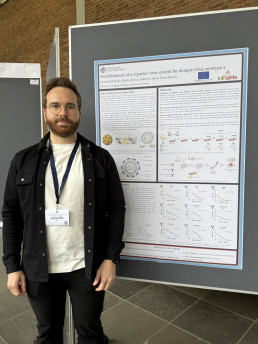
Dominik Moll, (a member of the research team led by Karin Stiasny) from MUW participated at the 35th Annual Meeting of the Society for Virology (GfV, Heidelberg, Germany; 17-20 March 2026) and at the 21st Young Scientist Association Symposium of the Medical University of Vienna (YSA, Vienna, Austria; 12-13 May 2026) with poster presentations focused on the establishment of a reporter virus system for dengue virus serotype 2.
LINK to the conference website: https://g-f-v.org/en/events/35th-annual-meeting-of-the-society-of-virology/
LINK to the conference website: https://www.meduniwien.ac.at/web/en/about-us/young-scientist-association-ysa/annual-ysa-phd-symposium/21st-ysa-symposium-2026/
First Annual Meeting Pavia 2026
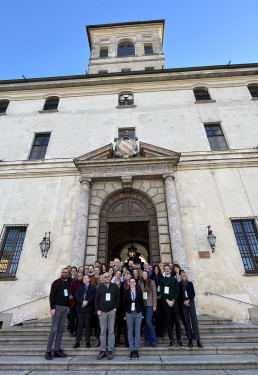
On 17–18 February 2026, the InFlaMe consortium gathered in Pavia, Italy, for its 1st Annual Meeting at Collegio Ghislieri.
The event brought together project partners to review progress across work packages, discuss scientific results, and address key challenges and risks related to the project.
The first day opened with a welcome address by the Coordinator, Prof. Fausto Baldanti (IRCCS OSM), followed by a session on grant implementation led by the Project Officer from the European Health and Digital Executive Agency (HaDEA).[] Presentations from WP1 to WP5 covered topics including project management and coordination, virological, immunological and human genetic risk factors of severe infection, B cell responses and human monoclonal antibody selection, T-cell mediated responses against flaviviruses, and virus–host interactions and drug development.
The second day focused on forward-looking discussion and risk assessment. A roundtable brainstorming session, led by IRCCS OSM, addressed critical aspects and potential risks for the project, held in two parts to allow in-depth debate.
Training Event at IZSLER
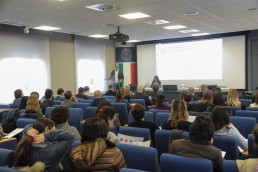
On 29 January 2026, IZSLER - Istituto Zooprofilattico Sperimentale della Lombardia e dell'Emilia Romagna organised a training event focused on arboviral disease dynamics and climate change. The event brought together professionals and researchers for discussions on key issues.
Climate change is playing an increasingly important role in the spread of infectious diseases, especially those transmitted by insects such as mosquitoes and ticks. These vector-borne diseases are expanding across the globe, becoming more frequent and more intense. Europe, once considered at low risk for many of these infections, is now facing the local transmission of diseases such as Dengue, Chikungunya, Zika, West Nile virus, and Leishmaniasis. In Italy, recent observations of the seasonal behaviour of viruses like Dengue, Chikungunya, and West Nile virus already highlight how climate change may shape their future spread.
In light of these considerations, on 29 January the Istituto Zooprofilattico Sperimentale della Lombardia e dell’Emilia-Romagna (IZSLER) organized a training event dedicated to the analysis of the dynamics of arboviral disease spread in relation to climate change. The event brought together key stakeholders, including professionals, researchers, and technical experts, providing a qualified forum for discussion on the most relevant and current issues.
The initiative aimed to:
- examine the potential impacts of climate change on the epidemiology of arboviruses;
• present the approaches currently adopted to improve understanding of the influence of climatic variables on the spread of arboviruses;
• analyze the main areas of interaction between arboviruses and processes of land-use change and human-driven environmental transformation.
During the webinar, speakers presented the state of the art in the diagnosis of vector-borne diseases, offering an updated overview of the current and prospective influence of climatic variables on the spread of pathogens and their associated insect vectors. The afternoon session focused on the regional geographical context, with in-depth discussion of territorial epidemiological aspects and the main vector control strategies, which are essential for prevention and public health planning.
This training event is closely aligned with the objectives of the project Inflame “Counter-acting the pandemic potential of flaviviruses: addressing virus-host interactions and defense strategies to design new therapeutics against WNV and DENV”, which aims to address emerging risks linked to Dengue and West Nile virus by advancing scientific knowledge, diagnostic capacity, and integrated surveillance systems. In particular, the course contributed to strengthening the multidisciplinary network between epidemiologists, virologists, immunologists, and climate‑change experts (objective e), fostering the exchange of expertise necessary to understand how environmental and climatic factors shape arbovirus transmission.
By promoting awareness of climate‑driven drivers of disease emergence and bringing together professionals across sectors, the event contributes to the broader project objectives of improving preparedness, enhancing EU-level leadership in the response to flaviviruses, and ultimately enabling more effective prevention and control strategies against pathogens whose transmission dynamics are increasingly shaped by climate change.

MUW team presented at the International Seminar Chang Gung University
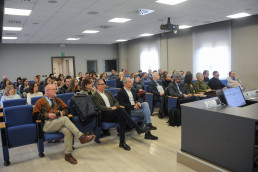
In October 2025, at the International Seminar Chang Gung University, Taiwan (27 Oct 2025), the MUW team presented their work. Judith Aberle discussed ‘Flaviviruses: Clinical Impact and Determinants of Immunity’ and Karin Stiasny presented advances in the ‘Structural dynamics of flaviviruses and antibody responses’.
LINK to the event: https://www.cgu.edu.tw/emi/Subject/Detail/71516?nodeId=8507
InFlaMe represented at the European Researchers’ Night
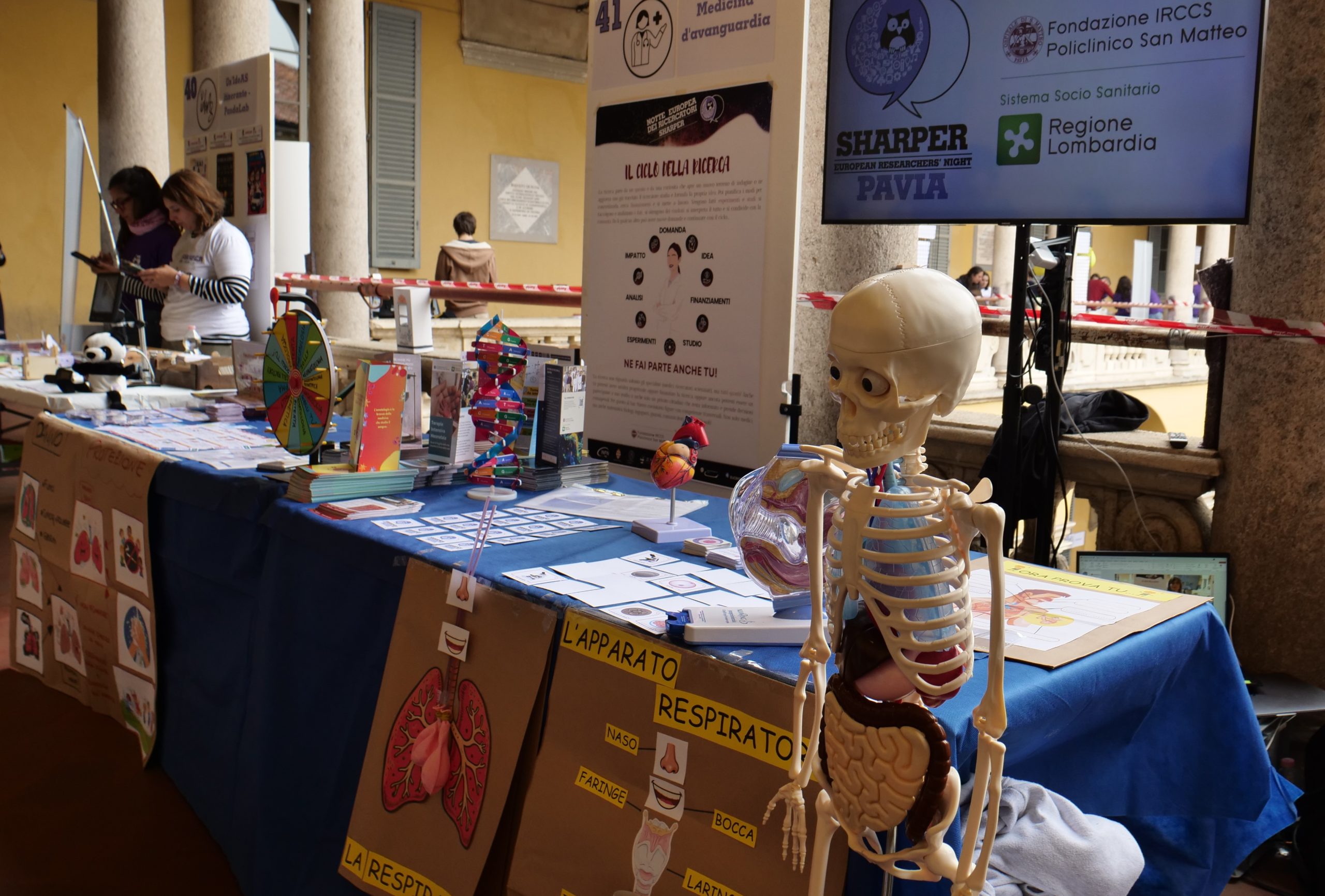
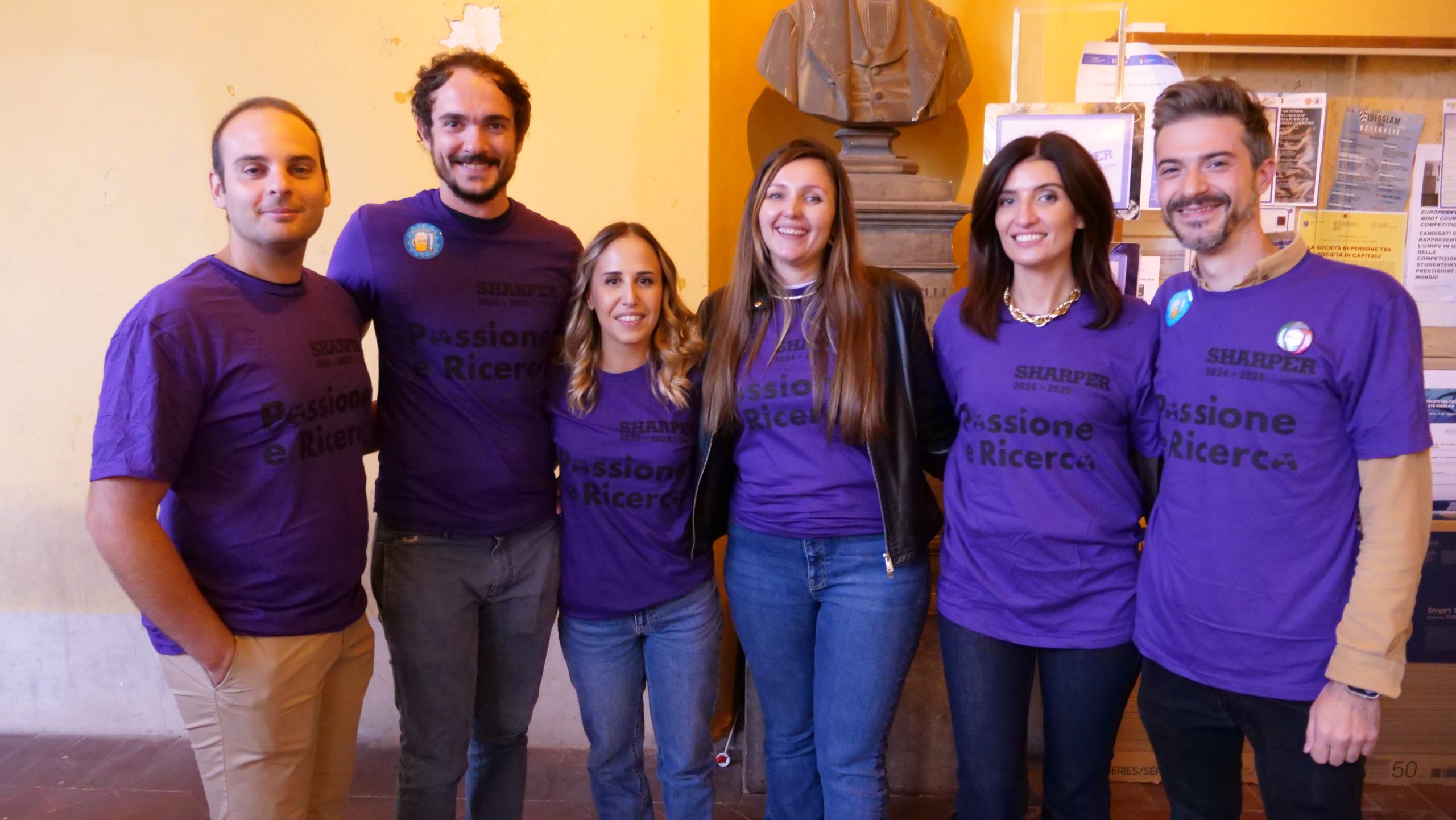
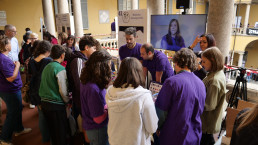
Team members of the InFlaMe project participated in the European Researchers’ Night (SHARPER) at the University of Pavia on September 26th.
The event hosted more than 60 science-themed stands, including two for Fondazione IRCCS Policlinico San Matteo with the SC Microbiologia e Virologia, PIs of the InFlaMe project.
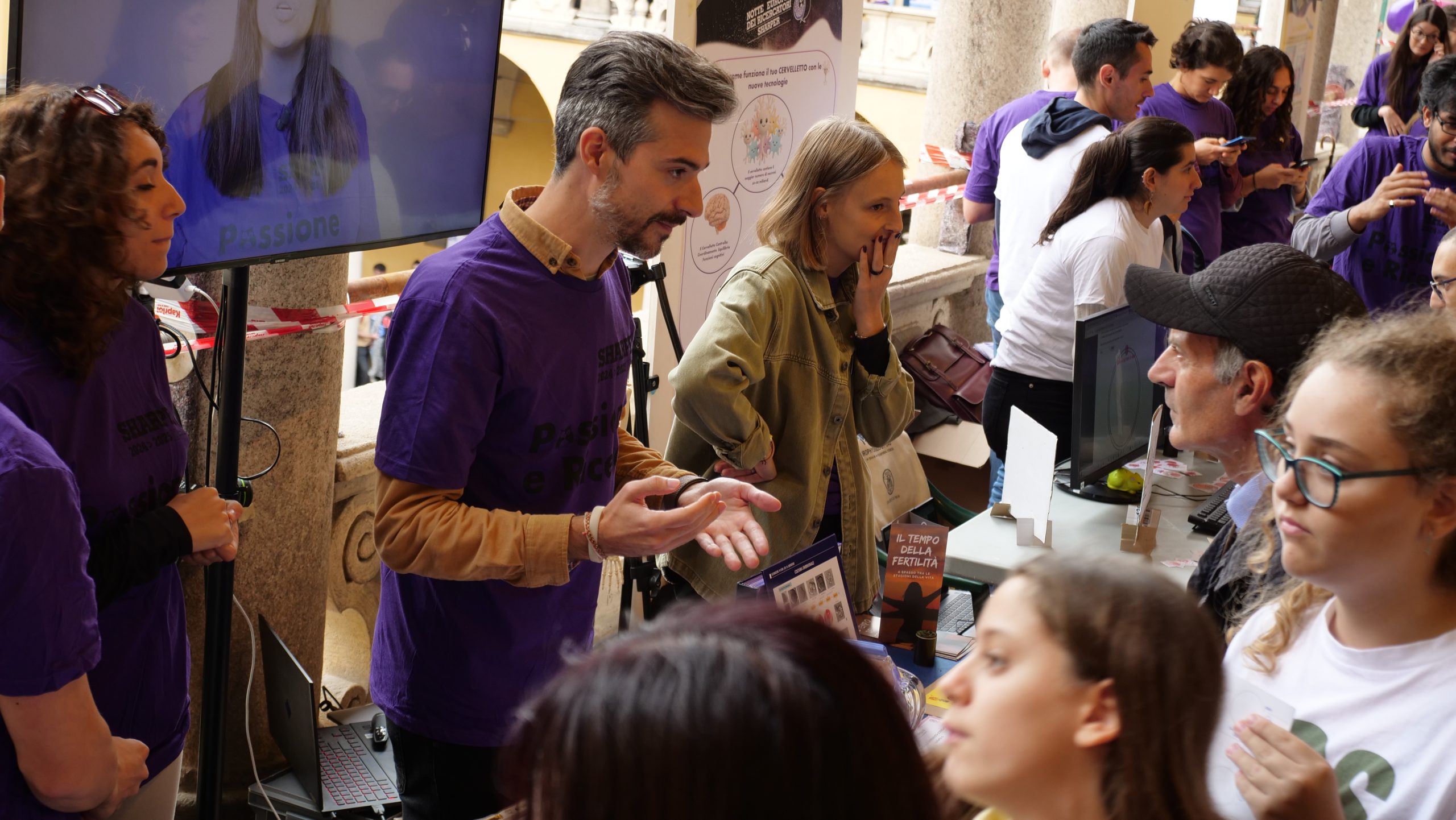
It was an extraordinary event with a great turnout of visitors, aimed at promoting scientific literacy. The Virology team organized engaging activities for both children and adults to raise awareness and share knowledge about flaviviruses.
Alessandro Ferrari, part of the InflaMe project, in this video LINK to video on LinkedIn talks about Flaviviruses related infections at the European Researchers’ Night in Pavia.