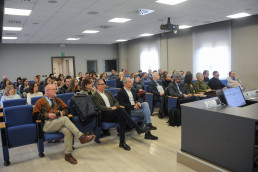
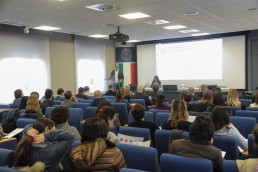
On 29 January 2026, IZSLER - Istituto Zooprofilattico Sperimentale della Lombardia e dell'Emilia Romagna organised a training event focused on arboviral disease dynamics and climate change. The event brought together professionals and researchers for discussions on key issues.
Climate change is playing an increasingly important role in the spread of infectious diseases, especially those transmitted by insects such as mosquitoes and ticks. These vector-borne diseases are expanding across the globe, becoming more frequent and more intense. Europe, once considered at low risk for many of these infections, is now facing the local transmission of diseases such as Dengue, Chikungunya, Zika, West Nile virus, and Leishmaniasis. In Italy, recent observations of the seasonal behaviour of viruses like Dengue, Chikungunya, and West Nile virus already highlight how climate change may shape their future spread.
In light of these considerations, on 29 January the Istituto Zooprofilattico Sperimentale della Lombardia e dell’Emilia-Romagna (IZSLER) organized a training event dedicated to the analysis of the dynamics of arboviral disease spread in relation to climate change. The event brought together key stakeholders, including professionals, researchers, and technical experts, providing a qualified forum for discussion on the most relevant and current issues.
The initiative aimed to:
- examine the potential impacts of climate change on the epidemiology of arboviruses;
• present the approaches currently adopted to improve understanding of the influence of climatic variables on the spread of arboviruses;
• analyze the main areas of interaction between arboviruses and processes of land-use change and human-driven environmental transformation.
During the webinar, speakers presented the state of the art in the diagnosis of vector-borne diseases, offering an updated overview of the current and prospective influence of climatic variables on the spread of pathogens and their associated insect vectors. The afternoon session focused on the regional geographical context, with in-depth discussion of territorial epidemiological aspects and the main vector control strategies, which are essential for prevention and public health planning.
This training event is closely aligned with the objectives of the project Inflame “Counter-acting the pandemic potential of flaviviruses: addressing virus-host interactions and defense strategies to design new therapeutics against WNV and DENV”, which aims to address emerging risks linked to Dengue and West Nile virus by advancing scientific knowledge, diagnostic capacity, and integrated surveillance systems. In particular, the course contributed to strengthening the multidisciplinary network between epidemiologists, virologists, immunologists, and climate‑change experts (objective e), fostering the exchange of expertise necessary to understand how environmental and climatic factors shape arbovirus transmission.
By promoting awareness of climate‑driven drivers of disease emergence and bringing together professionals across sectors, the event contributes to the broader project objectives of improving preparedness, enhancing EU-level leadership in the response to flaviviruses, and ultimately enabling more effective prevention and control strategies against pathogens whose transmission dynamics are increasingly shaped by climate change.